Europe is learning that passing legislation is not the same thing as rebuilding an industry. The Critical Raw Materials Act, launched in 2024, promised faster permitting - 27 months for extraction, 15 for processing - and bold 2030 targets for domestic mining, refining and recycling. On paper, it looked like Europe’s industrial reset. Progress remains uneven. Projects are not built by regulation alone. They are built where markets work, communities’ consent, energy is competitive and trust is earned. Finland - already one of the EU’s most mining-friendly jurisdictions - has advanced lithium projects, but this reflects Finland’s existing institutional culture more than a continental shift. Elsewhere, Europe’s most high-profile lithium project in Serbia became a political flashpoint, stalled by public opposition. Serbia is not in the EU, but the signal to global investors was unmistakable. The deeper issue isn’t geology. It is legitimacy.
Europe can tighten controls on aluminium scrap exports to keep feedstock inside the bloc in the name of circularity and security, yet high energy and regulatory costs still make recycling in Europe structurally uncompetitive in many cases. Markets respond to price signals, not declarations. So, we live with a contradiction: Europe wants electrification, re-industrialisation and strategic autonomy - but mining still lacks moral legitimacy in the public imagination. Europe doesn’t lack minerals; it lacks social licence. Until that changes, no permitting timeline written in Brussels will materially shift outcomes on the ground.
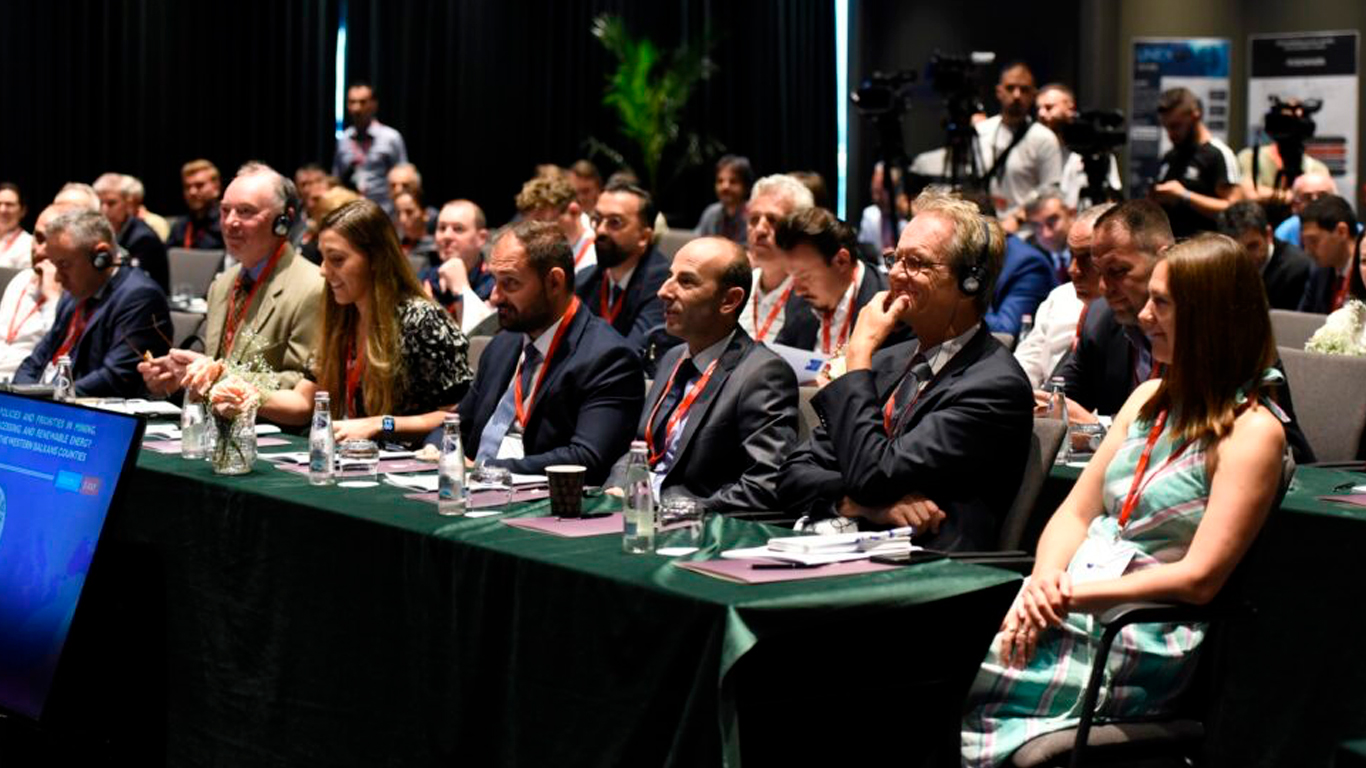
MINEX Europe 2026 positions itself precisely at this junction between law, legitimacy and investment. Recently, the EU appointed a special envoy in the European Parliament to reopen parts of the CRMA, an act some see as political theatre and others as recognition that the core challenge is narrative, not spreadsheets.
The Forum in Trim will focus its agenda on the missing pieces: how the mineral-rich European jurisdictions like Ireland can turn strong policy into trusted practice; how companies, communities and policymakers can rebuild mining’s moral legitimacy; and how Europe can turn its industrial ambitions into bankable projects that are not only investable and sustainable, but seen by citizens as essential.