
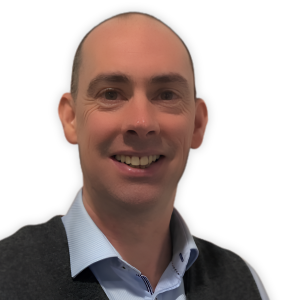
Paul Gordon, MSc, PGeo, EurGeol, MIMMM is a Technical Director with SLR Consulting and has more than 25 years of experience in the global mining and minerals sector. He leads SLR's geology and exploration team in Europe and advises mining companies, investors, and governments on exploration strategy, project development, due diligence, and resource evaluation. His experience spans precious, base, battery, and industrial minerals across Europe, the Middle East, Africa, Australia, and the Americas. Throughout his career, Paul has worked across the full mining lifecycle, from early-stage exploration through to production geology, project development, and investment assessment. He has led multidisciplinary reviews of mining projects worldwide, including assessments of mine waste management, environmental performance, project economics, and operational readiness. At Minex Europe, Paul will discuss the growing opportunity for mine waste and tailings reprocessing as a means of unlocking critical and strategic minerals, reducing environmental liabilities, and improving the permitting prospects of mining projects in Europe. His perspective combines technical, environmental, and commercial considerations drawn from project work across multiple jurisdictions.
Going Back for Seconds: Reprocessing Europe's Mining Legacy
As Europe seeks secure supplies of critical minerals while facing increasingly complex permitting requirements, mine waste and tailings are attracting renewed attention as an alternative source of valuable metals. Many historical mining districts contain substantial volumes of waste material that were discarded under different economic, technological, and environmental conditions, but which may now represent viable resources. This talk examines the opportunities and challenges of mine waste and tailings reprocessing across Europe. It will explore why the drivers extend beyond economics alone, including environmental remediation, legacy liability reduction, land rehabilitation, resource security, and the principles of a circular economy. The talk will also consider how such projects may achieve stronger social acceptance and more straightforward permitting pathways than conventional greenfield developments. It will also touch on why there hasn't been more progress already, despite signficant supporting research having been carried out. Finally, it will discuss potential development models, including public-private partnerships and shared-risk approaches, and argue that where historic environmental liabilities are addressed for the public good, the associated risks and benefits should be shared between the public and private sectors.